




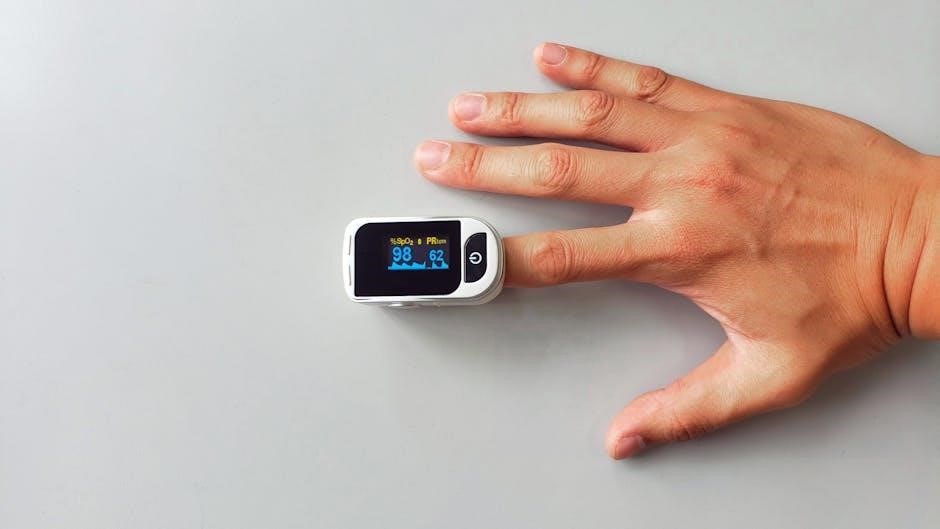
Devilbiss Oxygen Concentrator User Manual: A Comprehensive Guide
This manual details the operation of Devilbiss concentrators, liberating patients from bulky oxygen tanks and enhancing their mobility for improved well-being.
Oxygen concentrators represent a significant advancement in respiratory therapy, offering a convenient and reliable alternative to traditional oxygen delivery methods. Unlike compressed oxygen tanks, which require frequent refills and can be cumbersome, concentrators extract oxygen directly from the ambient air.
This process involves filtering and concentrating the oxygen molecules, providing a consistent and readily available supply for individuals with respiratory conditions. They are particularly beneficial for those with Chronic Obstructive Pulmonary Disease (COPD), emphysema, or other ailments that limit oxygen intake.
The freedom from bulky tanks dramatically improves quality of life, enabling greater mobility and independence. Devilbiss concentrators, specifically, are known for their reliability and user-friendly design, making oxygen therapy more accessible and manageable.
What is a Devilbiss Oxygen Concentrator?
A Devilbiss Oxygen Concentrator is a medical device designed to deliver supplemental oxygen to individuals requiring respiratory support. Unlike oxygen tanks containing compressed gas, a Devilbiss concentrator pulls in air from the surrounding environment, filters it, and isolates the oxygen component.
This extracted oxygen is then delivered to the patient via a cannula or mask, providing a consistent flow rate as prescribed by a healthcare professional. Devilbiss has been a trusted name in respiratory care for decades, renowned for producing durable and efficient concentrators.
These devices offer a non-invasive method of oxygen therapy, improving blood oxygen levels and alleviating symptoms associated with various respiratory conditions, ultimately enhancing a patient’s overall well-being and quality of life.
Benefits of Using a Devilbiss Oxygen Concentrator
Devilbiss Oxygen Concentrators offer significant advantages over traditional oxygen delivery systems. Primarily, they provide continuous oxygen supply without the need for frequent tank refills, fostering greater independence and mobility for patients. This eliminates the logistical challenges and costs associated with managing compressed oxygen cylinders.
Furthermore, concentrators deliver a consistent oxygen concentration, ensuring reliable therapy. They are also generally quieter and more convenient for home use. By reducing reliance on bulky tanks, users experience increased freedom to participate in daily activities and maintain a more active lifestyle.
Ultimately, a Devilbiss concentrator contributes to improved respiratory health, enhanced quality of life, and a greater sense of well-being for individuals with oxygen therapy needs.
Understanding Your Devilbiss Concentrator
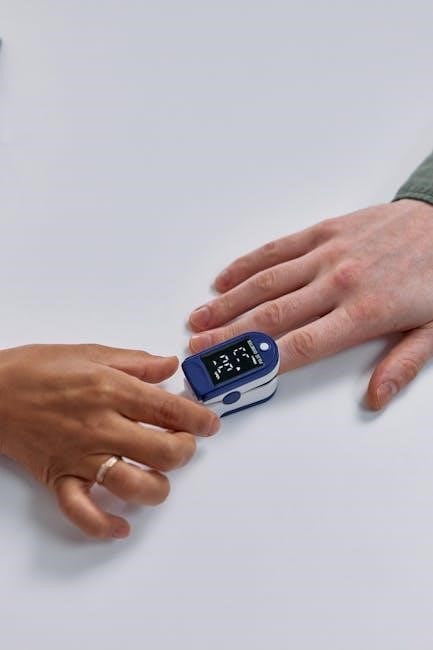
Familiarizing yourself with your Devilbiss unit is crucial for safe and effective oxygen therapy, encompassing its components, models, and control panel functionalities.
Key Components and Their Functions
The Devilbiss oxygen concentrator comprises several vital components working in harmony. The compressor draws in ambient air, while filters remove dust and impurities. This air then passes into the adsorption system, utilizing zeolite minerals to separate oxygen from nitrogen.
The concentrated oxygen undergoes a pressure boost before flowing to the cannula or mask. A flow control valve regulates the oxygen delivery rate, adjustable to meet individual needs. Safety features include alarms for low oxygen concentration, power failure, and high/low pressure.
The humidifier (if equipped) adds moisture to prevent dryness. Regular inspection and maintenance of these components are essential for optimal performance and longevity of your Devilbiss concentrator.
Different Devilbiss Concentrator Models (e.g., iO2, Evolution)
Devilbiss offers a range of oxygen concentrators tailored to diverse patient needs. The iO2 series, known for its compact design and quiet operation, is ideal for users prioritizing portability and discretion. The Evolution line provides robust performance and advanced features, suitable for higher oxygen demands.
Specific models like the Devilbiss 525KS offer continuous flow therapy, while others incorporate pulse dose technology for oxygen delivery synchronized with each breath. Each model varies in flow rate capabilities, weight, and available accessories.
Understanding these distinctions is crucial for selecting the concentrator best suited to your prescribed oxygen therapy and lifestyle. Consult your healthcare provider for personalized recommendations.
Understanding Control Panel Indicators & Alarms
The Devilbiss concentrator control panel displays vital information regarding operation and system status. Key indicators include power status, flow rate setting, and alarm conditions. Familiarize yourself with these indicators for safe and effective use.
Alarms signal potential issues, such as low oxygen concentration, high/low pressure, or system malfunction. Different alarm types – visual and audible – require specific responses, detailed in the troubleshooting section. Ignoring alarms can compromise therapy.
Regularly check the panel during operation. Understanding the meaning of each indicator and alarm ensures prompt attention to any problems, maintaining optimal oxygen delivery and peace of mind.

Setting Up Your Devilbiss Oxygen Concentrator
Proper setup is crucial for optimal performance. This involves careful placement, secure connections for cannulas or masks, and accurate flow rate adjustments.
Initial Setup and Placement Guidelines
Upon receiving your Devilbiss oxygen concentrator, carefully inspect the unit for any shipping damage before proceeding. Place the concentrator on a firm, level surface, ensuring at least 12 inches of clear space around all sides for adequate ventilation. Avoid placing it near curtains, bedding, or anything that could obstruct airflow.
The location should be indoors, away from direct sunlight, extreme temperatures, and dusty environments; Ensure the area is well-ventilated to prevent the buildup of oxygen concentration. Avoid placing the unit on carpets or rugs, as this can restrict airflow.
Confirm the electrical outlet meets the concentrator’s power requirements and is easily accessible. Do not use extension cords or adapters. Finally, familiarize yourself with the location of the power switch and emergency shut-off procedures before initial operation.
Connecting the Cannula or Mask
Before connecting, ensure the concentrator is powered off. Locate the oxygen outlet connector on the front of the Devilbiss unit. Gently insert the connector end of your prescribed cannula or mask into the outlet, applying a firm but not forceful push until it clicks securely into place.
Verify the connection is tight to prevent oxygen leakage. If using a humidifier bottle, connect it before attaching the cannula or mask, following the humidifier’s specific instructions.
Ensure the cannula prongs or mask fit comfortably and securely in your nostrils or over your mouth, respectively. Regularly inspect the tubing for cracks or damage and replace as needed. Never operate the concentrator without a properly connected cannula or mask.
Adjusting Oxygen Flow Rate (Settings 1-6)
Your Devilbiss concentrator features flow rate settings, typically numbered 1 through 6, to customize oxygen delivery based on your doctor’s prescription. To adjust, locate the flow rate control knob or buttons on the control panel.
Turn or press to select the prescribed setting. Higher numbers indicate greater oxygen flow (liters per minute ⎻ LPM). Setting 1 delivers the lowest flow, while 6 delivers the highest.
Always follow your physician’s instructions regarding the appropriate flow rate. Do not self-adjust without medical guidance. Monitor your oxygen saturation levels as directed by your healthcare provider to ensure adequate oxygenation.

Operating Your Devilbiss Oxygen Concentrator
Proper operation ensures optimal therapy. Power on, verify flow and purity, and understand altitude adjustments for consistent oxygen delivery, enhancing patient comfort and health.
Powering On and Off Procedures
To power on your Devilbiss oxygen concentrator, first ensure the unit is plugged into a grounded electrical outlet. Press the power button, typically located on the control panel. Allow a brief warm-up period – usually a few minutes – for the concentrator to reach its operational flow rate. The unit will indicate readiness via indicator lights or an audible tone.
For shutdown, press the power button again. The concentrator will undergo a brief cool-down cycle before completely powering off. Never disconnect the power cord while the unit is running, as this could potentially damage the internal components. Always ensure the unit is fully powered down before performing any maintenance or cleaning procedures. Regular, proper powering on and off extends the lifespan of your device and ensures consistent performance.
Understanding Flow Rate and Oxygen Purity
Flow rate, measured in liters per minute (LPM), determines the volume of oxygen delivered. Devilbiss concentrators typically offer settings from 1 to 6 LPM, adjustable via the control panel. Your physician will prescribe the appropriate flow rate based on your individual medical needs. Higher settings deliver more oxygen, but also consume more power.
Oxygen purity, ideally exceeding 90%, is crucial for effective therapy. Devilbiss concentrators are designed to consistently deliver high-purity oxygen. However, factors like filter condition and altitude can influence purity. Regularly check and clean filters to maintain optimal performance. The concentrator’s internal sensors monitor oxygen concentration, triggering alarms if levels fall below acceptable thresholds, ensuring safe and reliable oxygen delivery.
Using the Concentrator at Different Altitudes
Oxygen concentrators can be affected by altitude changes, as air density decreases with increased elevation. This can potentially reduce the actual oxygen concentration delivered, even if the flow rate setting remains constant. Devilbiss concentrators are generally designed to compensate for moderate altitude variations, but significant changes may require adjustments.
If traveling to higher altitudes, consult your physician to determine if your prescribed flow rate needs to be increased. Some Devilbiss models feature automatic altitude adjustment; refer to your specific model’s documentation. Monitoring your oxygen saturation levels with a pulse oximeter is recommended when using the concentrator at varying altitudes to ensure adequate oxygen intake and maintain therapeutic effectiveness.

Maintenance and Cleaning
Regular maintenance ensures optimal performance and longevity of your Devilbiss concentrator, safeguarding consistent oxygen delivery and extending the device’s operational lifespan.
Regular Filter Cleaning – When and How
Maintaining clean filters is crucial for optimal performance. The frequency of filter cleaning depends on your environment; dustier conditions require more frequent attention. As a general guideline, inspect the filters monthly and clean them every two to three months, or as indicated by the unit.
To clean the filters, first, power off and unplug the concentrator. Locate the filter access panel – typically on the rear or side of the unit. Remove the filters carefully. Wash the foam filters gently with warm, soapy water. Rinse thoroughly and allow them to air dry completely before reinstalling. Replace disposable filters according to the manufacturer’s recommendations. Never operate the concentrator without filters properly installed.
Humidifier Bottle Maintenance (if applicable)
If your Devilbiss concentrator includes a humidifier bottle, regular maintenance is essential to prevent bacterial growth and ensure optimal humidification. Empty the humidifier bottle daily, discarding any remaining water. Rinse the bottle thoroughly with distilled water and allow it to air dry completely.
Weekly, disinfect the bottle using a solution of white vinegar and water (1 part vinegar to 5 parts water). Fill the bottle with the solution, let it sit for 30 minutes, then rinse thoroughly with distilled water. Never use soap or detergents, as residue can contaminate the oxygen flow. Replace the humidifier bottle according to the manufacturer’s recommendations, typically every six months or as needed.
Exterior Cleaning Procedures
Maintaining a clean exterior is crucial for the longevity and hygiene of your Devilbiss oxygen concentrator. Always disconnect the unit from the power source before cleaning. Use a soft, damp cloth to wipe down the exterior surfaces. Avoid abrasive cleaners, solvents, or harsh chemicals, as these can damage the plastic casing.
Pay particular attention to the air intake filters, ensuring they are free from dust and debris. Gently vacuum the filter area with a brush attachment. Do not immerse the concentrator in water or allow any liquid to enter the internal components. Regular exterior cleaning helps prevent dust buildup and ensures efficient operation, contributing to a healthier breathing experience.
Troubleshooting Common Issues
This section provides guidance on resolving typical problems, like low oxygen alarms or error codes, ensuring continued, reliable oxygen delivery for optimal patient care.
Addressing Low Oxygen Concentration Alarms
A low oxygen concentration alarm indicates the delivered oxygen isn’t at the prescribed level. First, ensure the cannula or mask is securely connected and undamaged. Verify the humidifier bottle (if used) has sufficient water, as low levels can affect performance.
Check the filter for dirt or debris; a clogged filter restricts airflow. Inspect the tubing for kinks or obstructions. If the alarm persists, briefly power cycle the unit – turn it off, wait 30 seconds, and turn it back on.
If the issue continues, it could signal an internal problem requiring professional service. Do not attempt self-repair. Contact Devilbiss customer support or an authorized service center immediately to ensure safe and effective oxygen therapy.
Resolving Error Codes and Their Meanings
Devilbiss concentrators utilize error codes to diagnose internal issues. Refer to the specific model’s detailed error code list in this manual – do not ignore these alerts! Common codes relate to sensor malfunctions, compressor problems, or sieve bed issues.
Attempting to operate with an active error code can compromise oxygen delivery. For minor codes (like a temporary sensor reading), a power cycle might resolve the issue. However, persistent or unfamiliar codes necessitate professional attention.
Never disassemble the unit yourself. Contact Devilbiss support or a certified technician, providing the exact error code for efficient troubleshooting and repair. Ignoring error codes can lead to device failure and potentially dangerous situations.
Dealing with Unusual Noises
Devilbiss concentrators operate with a characteristic hum; however, changes in sound warrant investigation. Rattling could indicate a loose component – immediately power off and inspect the exterior. Loud clicking or grinding noises often signal compressor issues, requiring professional service.
Whistling sounds might suggest air leaks in the cannula connection or humidifier bottle. Ensure secure fittings; A significant increase in fan noise could indicate a filter blockage, necessitating cleaning or replacement.
Do not continue operating the unit with concerning noises. Document the sound’s nature and when it occurs, providing this information to a qualified technician for accurate diagnosis and repair.

Safety Precautions
Oxygen supports combustion; avoid open flames, smoking, and flammable materials near the concentrator. Ensure proper ventilation and electrical grounding for safe operation.
Oxygen Safety Rules and Regulations
Oxygen is a powerful oxidizer and does not support combustion, but dramatically accelerates it. Therefore, strict adherence to safety regulations is paramount when using a Devilbiss oxygen concentrator. Never use the concentrator near open flames, sparks, or sources of ignition – this includes cigarettes, lighters, and even static electricity.
Ensure the concentrator is placed in a well-ventilated area, away from flammable materials like oil-based lotions, hairspray, and cleaning fluids. Post “No Smoking” signs in the area where oxygen is in use. Regularly inspect the cannula and tubing for cracks or damage, replacing them immediately if found.
Do not modify the concentrator in any way, and always follow the manufacturer’s instructions for operation and maintenance. Be aware of local regulations regarding oxygen use and storage, and comply with all applicable guidelines. Proper oxygen handling ensures both your safety and the longevity of your equipment.
Electrical Safety Guidelines
Devilbiss oxygen concentrators operate on standard household electrical power, necessitating strict adherence to electrical safety protocols. Always ensure the power outlet is properly grounded and free from damage. Never use extension cords or multi-plug adapters, as they can overload the circuit and pose a fire hazard.
Inspect the power cord regularly for fraying or damage, and replace it immediately if any issues are detected. Avoid operating the concentrator in damp or wet environments, and keep it away from water sources.
During thunderstorms or power surges, unplug the concentrator to protect it from potential damage. If the concentrator experiences an electrical malfunction, immediately disconnect it from the power source and contact a qualified technician for repair. Never attempt to disassemble or repair the unit yourself. Prioritize electrical safety for reliable operation.
What to Do in Case of a Power Outage
A power outage while using a Devilbiss oxygen concentrator requires immediate action. If you have a backup power source, such as a generator or battery backup system, switch to it promptly to maintain oxygen flow. If no backup is available, immediately switch to your emergency oxygen supply – typically a portable oxygen tank – as prescribed by your physician.
Inform your healthcare provider and local power company about the outage. Conserve oxygen by remaining calm and minimizing physical exertion.
Ensure your emergency contact information is readily accessible. Do not attempt to restart the concentrator until power is fully restored and stable. Regularly test your backup system to confirm its functionality; Prioritize a swift transition to your emergency oxygen source to ensure uninterrupted therapy.

Advanced Features & Settings
Devilbiss concentrators offer pulse dose and continuous flow options, alongside potential remote control and sleep mode functionalities for personalized and convenient oxygen therapy.
Pulse Dose vs. Continuous Flow Settings
Devilbiss oxygen concentrators typically offer two primary delivery methods: pulse dose and continuous flow. Continuous flow provides a consistent stream of oxygen at a set liter rate, regardless of the user’s breathing pattern. This is often preferred for individuals with erratic or unpredictable breathing.
Pulse dose, however, delivers oxygen only when the user inhales, sensing the breath and providing a corresponding bolus of oxygen. This method conserves oxygen, making it ideal for mobile users or those requiring lower flow rates.
Selecting the appropriate setting depends on individual needs and physician recommendations. Pulse dose can be more comfortable for some, while continuous flow ensures a steady oxygen supply. Understanding the differences allows for optimized therapy and efficient oxygen usage.
Remote Control Operation (if applicable)
Certain Devilbiss oxygen concentrator models, like some within the iO2 series, feature optional remote control functionality. This allows users to adjust settings – such as flow rate and operational mode – from a distance, enhancing convenience and accessibility.
The remote typically mirrors the functions available on the concentrator’s control panel, offering control over power, flow settings (1-6 or equivalent), and alarm acknowledgment. It’s particularly useful for individuals with limited mobility or those who prefer not to physically interact with the machine frequently.
Ensure the remote is paired correctly with the concentrator and that batteries are adequately charged for optimal performance. Refer to the specific model’s documentation for detailed pairing instructions and troubleshooting tips.
Sleep Mode Functionality
Many Devilbiss oxygen concentrators incorporate a sleep mode designed to optimize oxygen delivery during rest. This feature intelligently adjusts the flow rate based on detected breathing patterns, typically lowering it during stable sleep and increasing it when breathing disturbances are sensed.

Sleep mode aims to provide sufficient oxygenation while minimizing dryness and noise, contributing to a more comfortable sleep experience. Activation is usually achieved through the control panel, and a dedicated indicator light confirms its operation.
It’s crucial to consult with a healthcare professional to determine if sleep mode is appropriate for individual needs and oxygen requirements. Proper settings are vital for effective and safe use throughout the night.

Warranty Information & Support
Devilbiss provides warranties covering defects in materials and workmanship. Access dedicated customer support and locate authorized service centers for assistance and repairs.
Devilbiss Warranty Details
Devilbiss oxygen concentrators are backed by a comprehensive warranty, designed to provide peace of mind and protect your investment. The standard warranty typically covers defects in materials and workmanship for a specified period, often ranging from one to three years depending on the specific model.
This warranty doesn’t cover damage resulting from misuse, accidents, unauthorized repairs, or normal wear and tear. To initiate a warranty claim, retain your proof of purchase and contact Devilbiss customer support. They will guide you through the process, which may involve troubleshooting steps or arranging for repair or replacement.
Extended warranty options may also be available for purchase, offering additional coverage beyond the standard warranty period. Carefully review the warranty documentation included with your concentrator for complete details and limitations.
Contacting Devilbiss Customer Support
Devilbiss provides multiple avenues for customers needing assistance with their oxygen concentrators. For immediate support, their dedicated customer service hotline is available during business hours. You can typically find the phone number on the Devilbiss website or in your user manual.
Alternatively, Devilbiss offers comprehensive online support through their website, including a frequently asked questions (FAQ) section, troubleshooting guides, and downloadable resources. Email support is also available for non-urgent inquiries, allowing you to submit detailed questions and receive a response within a specified timeframe.
Don’t hesitate to reach out to Devilbiss customer support for any concerns regarding operation, maintenance, or warranty claims. Their knowledgeable representatives are equipped to provide expert guidance and ensure optimal performance of your concentrator.
Finding Authorized Service Centers
For specialized repairs or maintenance beyond routine cleaning, locating an authorized Devilbiss service center is crucial. Devilbiss maintains a network of certified technicians trained to diagnose and resolve complex issues with their oxygen concentrators, ensuring adherence to quality standards and warranty validity.
The Devilbiss website features a convenient “Service Locator” tool, allowing you to search for authorized centers based on your location. Simply enter your zip code or city to generate a list of nearby options, complete with contact information and service capabilities.
Using an authorized service center guarantees genuine Devilbiss parts and expert workmanship, protecting the integrity and performance of your device. Avoid unauthorized repairs, as they may void your warranty and potentially compromise the concentrator’s safety and effectiveness.